The best soil in the region, and it still holds water
Gadsden County clay is genuinely good ground. It grew shade tobacco commercially for decades and it holds fertility better than anything south or east of here. What it does not do is drain, and that is the constraint every landscape here works inside.
On the rolling lots around the historic district, clay means runoff on the slopes and standing water at the bottom, often right where a hundred year old foundation would rather it was not. Grading and drainage correction do more good on a Quincy property than another round of plants.
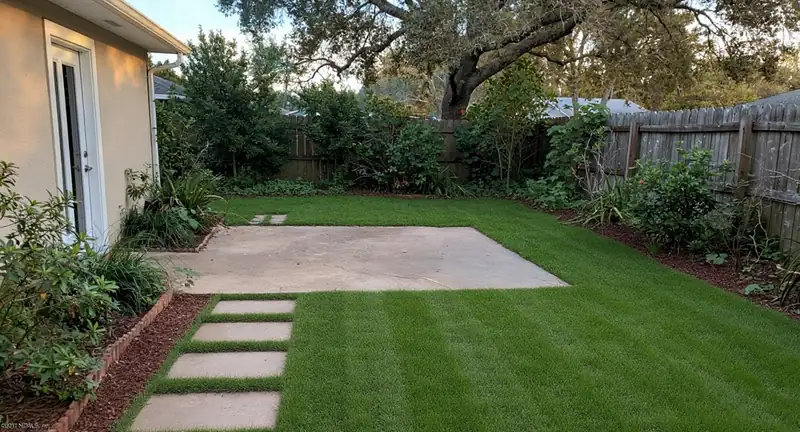
Turf behaves like Tallahassee: St. Augustine on sunny irrigated lots, zoysia where a premium install is wanted, centipede for lower maintenance, bahia on acreage. And the same shade problem, because the canopy here is old and dense.
A town of large historic homes
Quincy is the Gadsden County seat and its historic district is unusually large and unusually intact, a legacy of the era when Coca-Cola stock made this one of the wealthiest towns per capita in the country. The result is a lot of large, architecturally serious houses on generous lots with mature planting already in place.
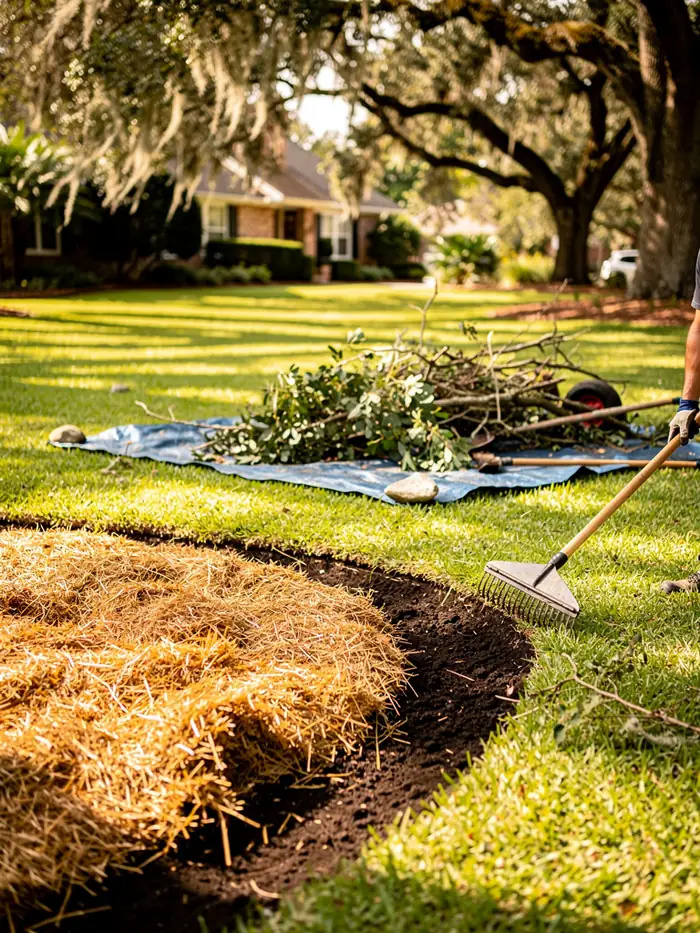
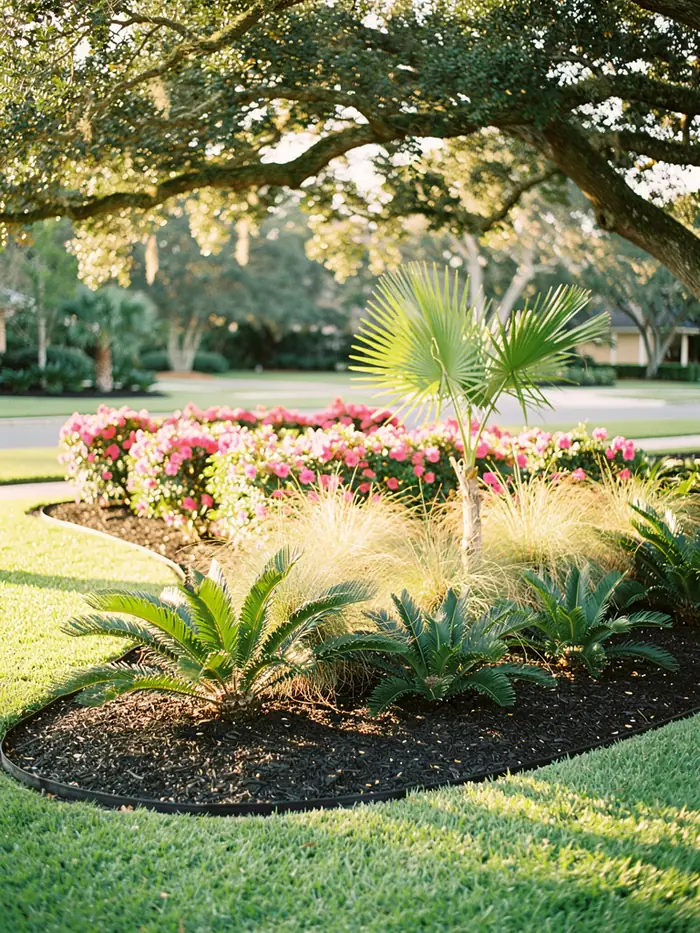
That is a specific kind of grounds work. The framework usually exists already, and the job is to restore and hold it rather than to design something new over the top of it. Overgrown boxwood, camellia and azalea that have not been cut back in years, bed lines that have disappeared, brick walks that have settled.
What Quincy calls about
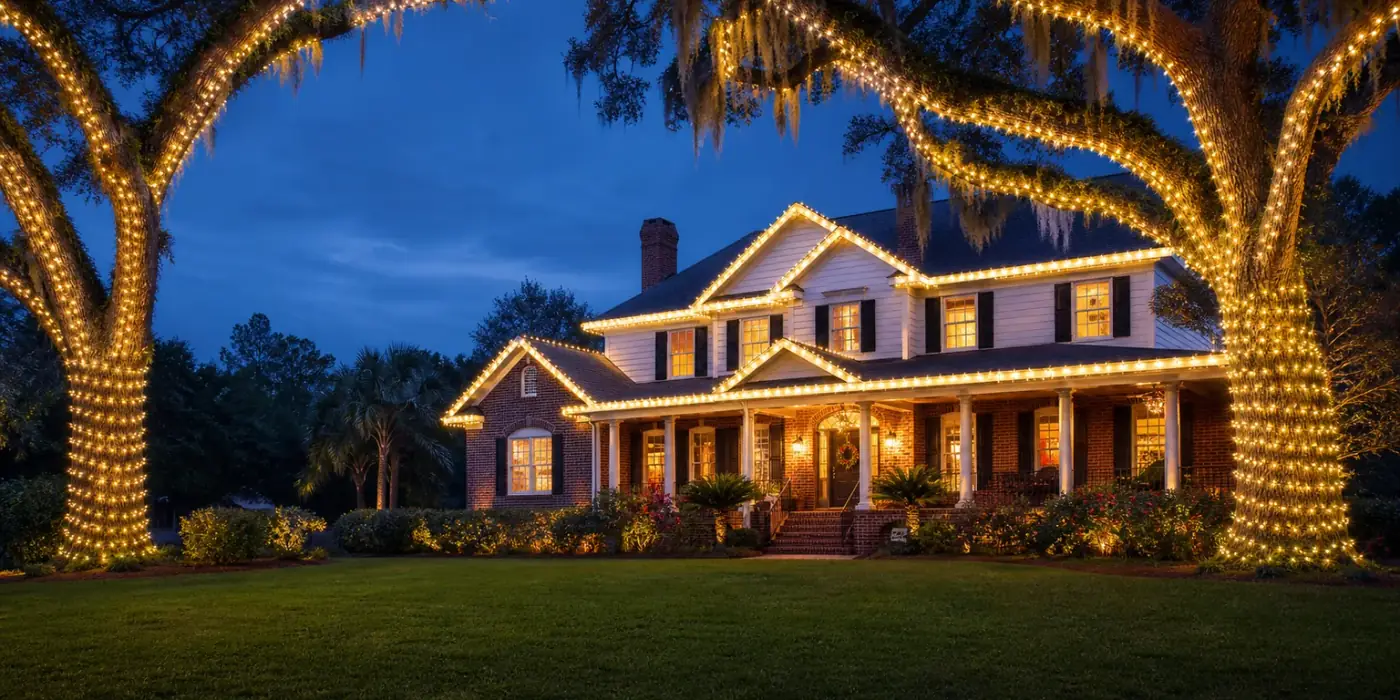
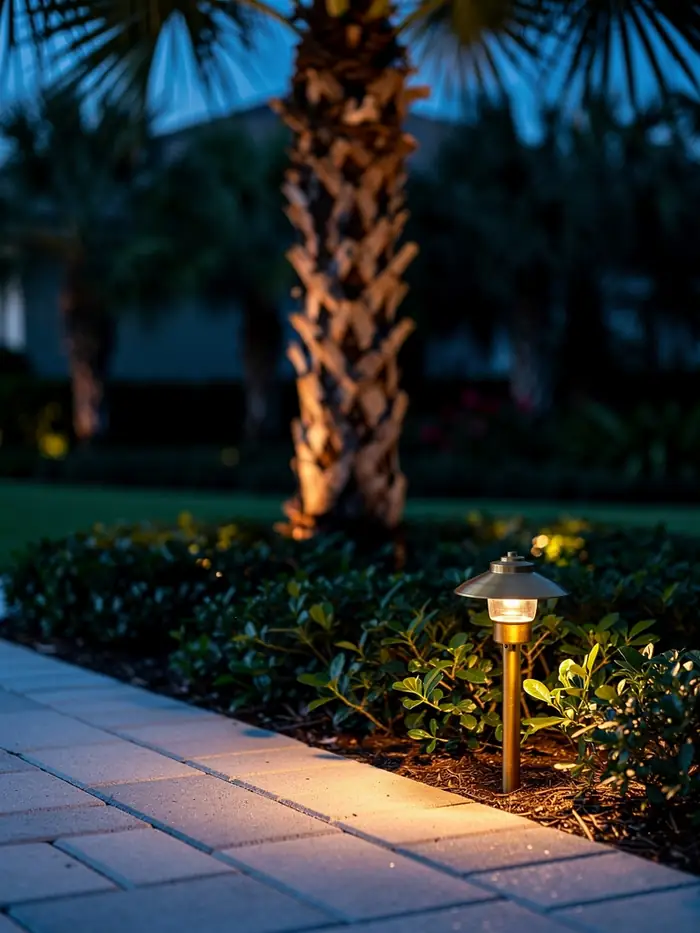
Restoration maintenance on historic lots, structural pruning and hedge renovation, bed line recovery, drainage and grading correction on clay, clay brick walk and patio work, and lighting on mature canopy.
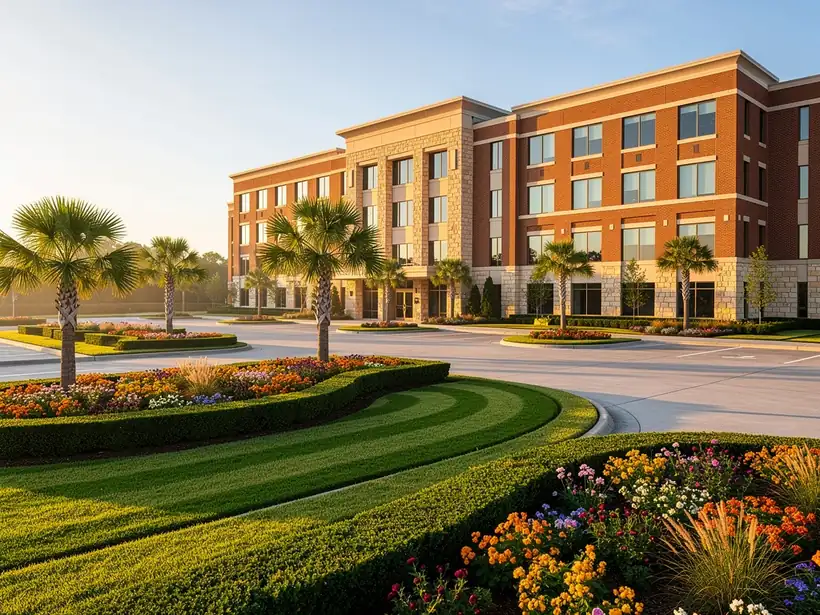
Commercial and institutional grounds around the courthouse square and the county's public buildings run on the same documented specification tiers as everywhere else.