Salt air changes the plant list
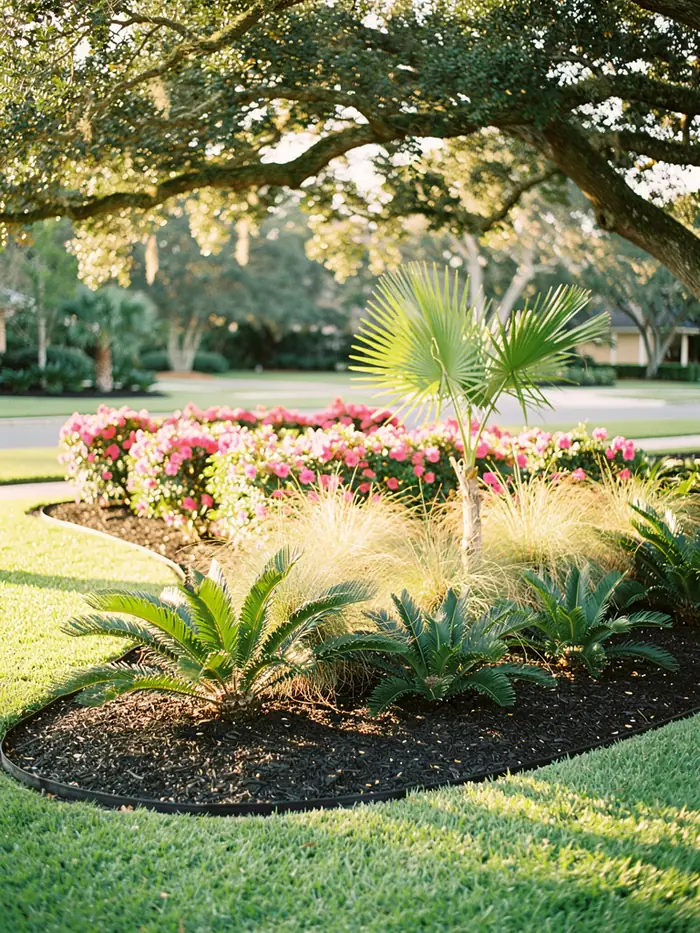
Anything within reach of Gulf spray lives with salt on its leaves and salt in its soil, and most of what thrives twenty miles inland burns here. The plants that actually hold are the ones that evolved on this coast: sabal palm, wax myrtle, yaupon holly, saw palmetto, muhly grass, sea oxeye and coontie.
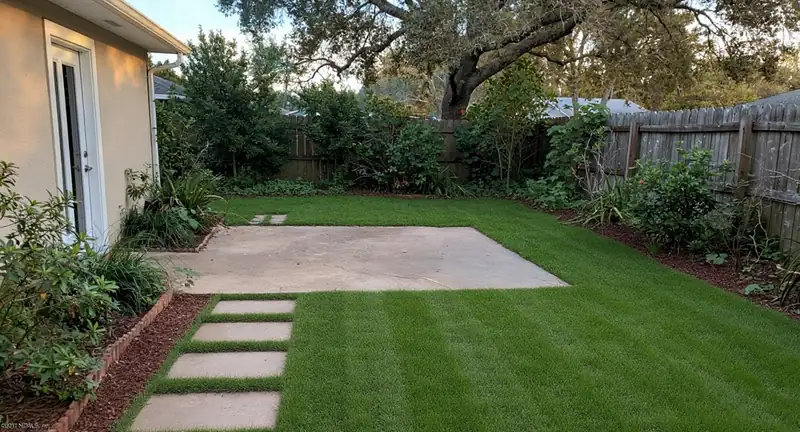
Turf gets the same filter. Seashore paspalum and St. Augustine handle salt better than most, and bahia takes the exposure on the rougher edges. Centipede is the weakest of the group on salt and disappoints people who chose it for the sandy soil without accounting for the air.
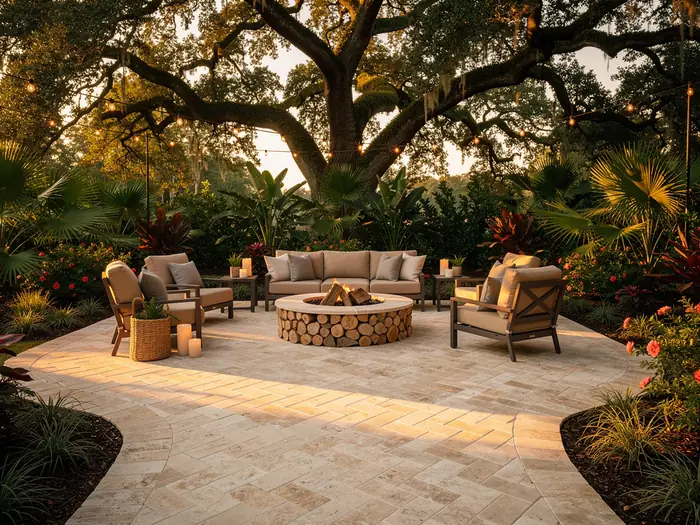
Low elevation is the other constraint. This is flood and surge country, and a landscape here should be designed on the assumption that salt water will eventually be in it. Plantings that recover, and hardscape that does not float or wash, are worth more than plantings that look perfect in year one.
A river town at the end of the road
St. Marks is small, historic and genuinely coastal. San Marcos de Apalache has been a fortified site since the seventeenth century, the St. Marks National Wildlife Refuge is next door, and the Tallahassee-St. Marks Historic Railroad State Trail ends here.
The properties are a mix of waterfront, working waterfront and small in-town lots. The work is less about manicured turf and more about a property that looks kept, survives the weather and does not fight the place it is in.
What St. Marks calls about
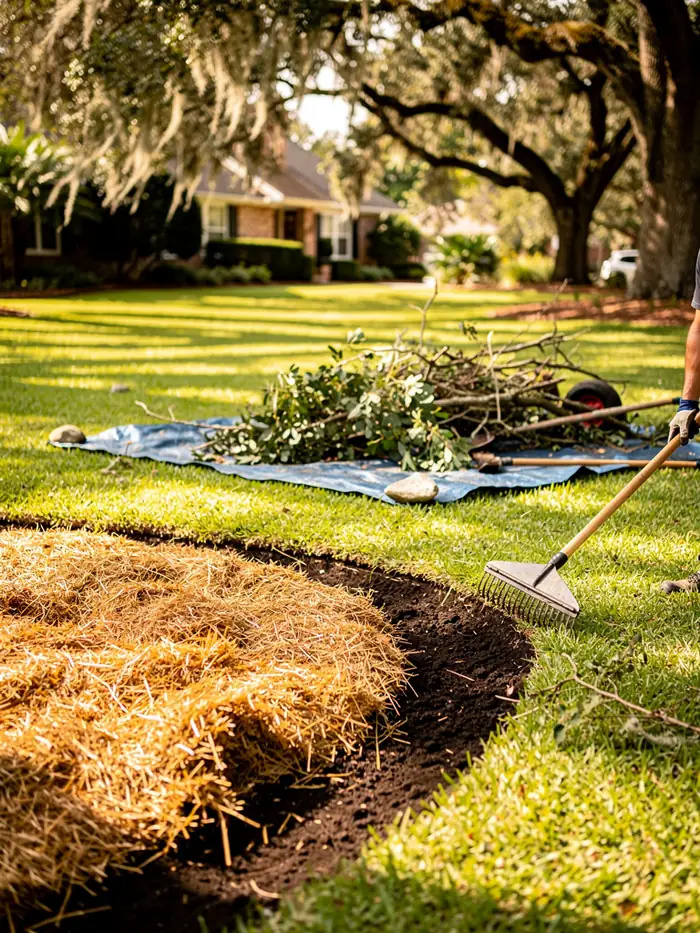
Salt tolerant planting and bed renovation, maintenance on smaller coastal lots, storm debris cleanup with haul-off, and hardscape and outdoor living specified for the exposure.
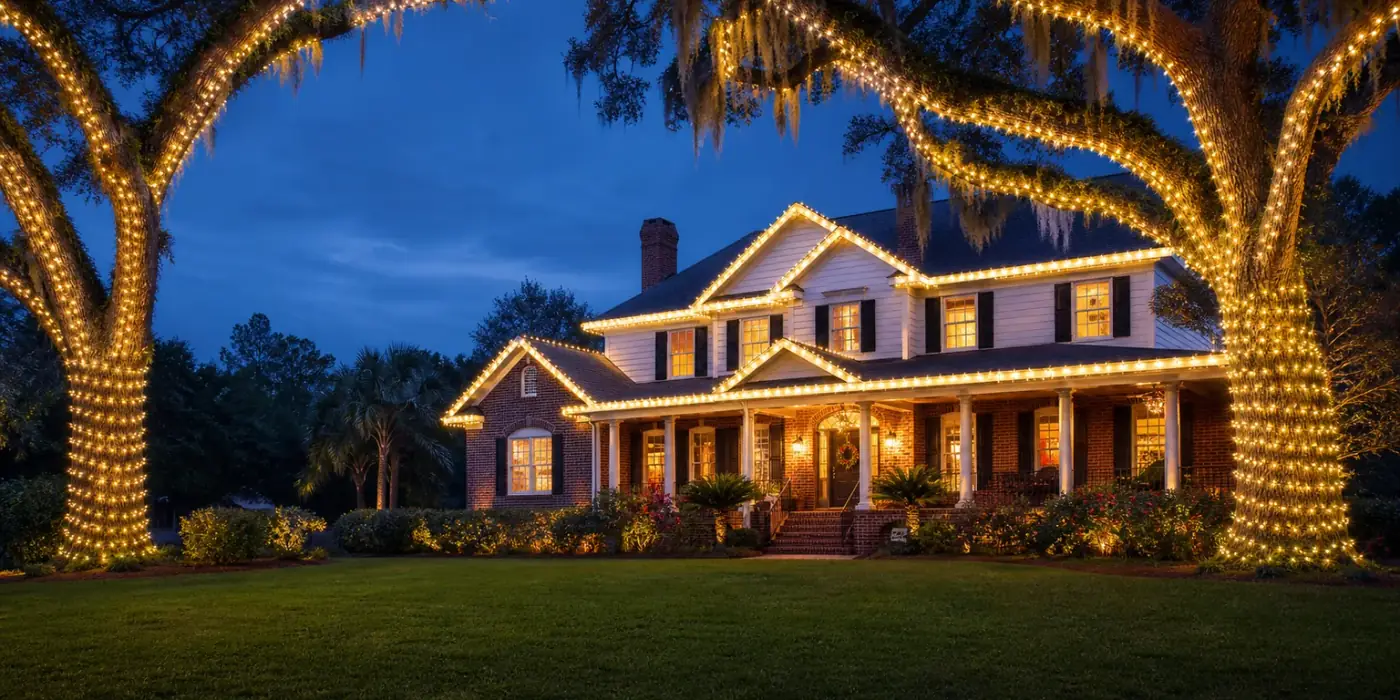
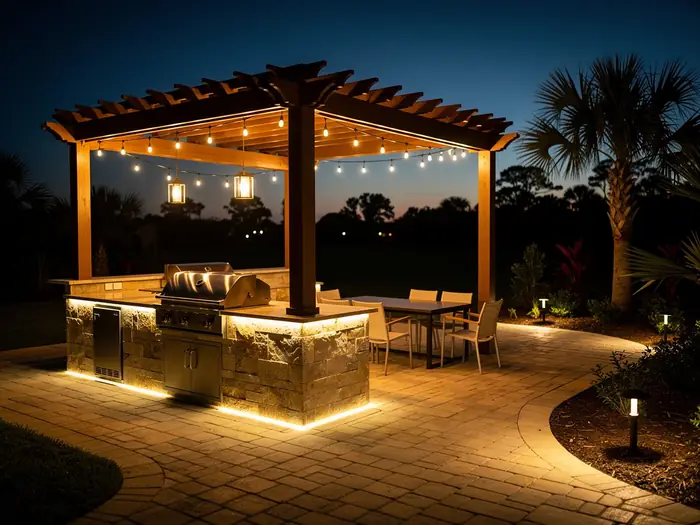
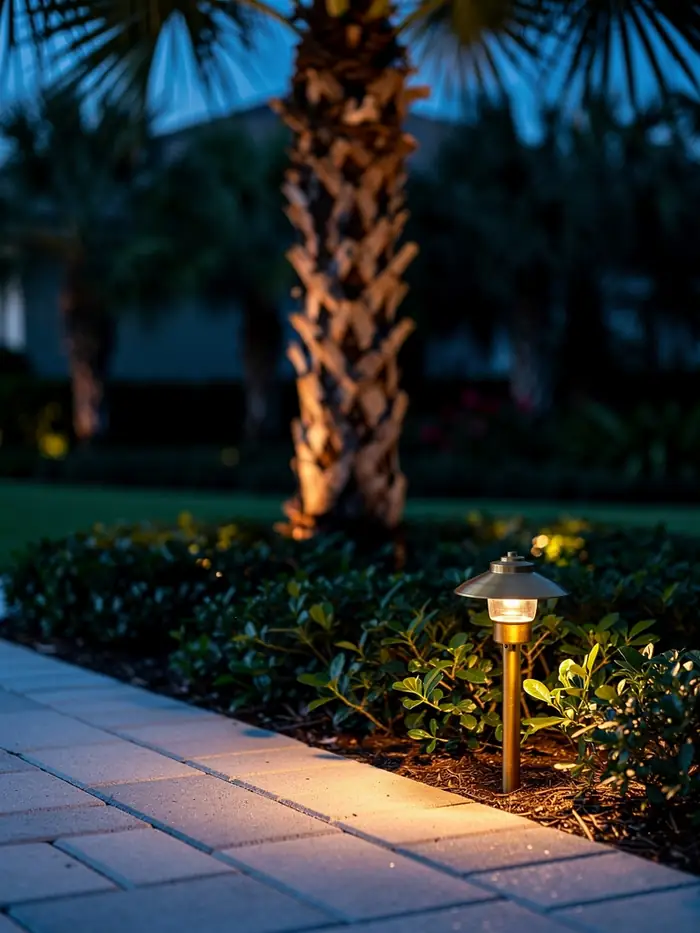
Outdoor kitchens and lighting down here get built in marine grade or 304 stainless, or they do not get built. Standard inland hardware corrodes fast in salt air and installing it anyway is just scheduling a callback.